If you have ever walked the exhibit floor at 5 a.m. The morning of a 40,000 person conference, you know the air tells stories. Popcorn kettles left a sweet film, fog machines from last night’s product launch lingered in the rafters, and the forklift ballet lifted more dust than crates. Then the doors open and thousands of lungs become your IAQ sensors. That is why commercial duct cleaning for event venues and convention centers is less a maintenance chore and more a performance art. The curtain goes up whether the air is ready or not.
I have spent enough nights in mechanical rooms to know what gets neglected and what bites back. Venues are unique animals, part stadium, part office, part airport. They inhale at setup, exhale at teardown, and hold their breath during keynotes. The HVAC system carries all of that rhythm, along with the confetti no one remembered to sweep from the catwalk. When the ductwork becomes the archive of last season’s events, your fans pay for it in energy, your guests pay for it with headaches, and your reputation pays for it in surveys.
Why venues and convention centers are a special case
Office buildings live relatively boring lives. Occupancy follows a weekday curve, loads are predictable, and filtration deals mostly with outdoor particulates and copier smells. Event spaces are different. They host a tattoo expo in March, a medical congress in April, and a tech show with enough haze to simulate London in November. Each event brings unique particulates and odors. Fog fluids leave glycerin residues that cling to coils. Sawdust from booth fabrication wanders into return plenums. Food shows are generous with spice aerosols. Even fashion shows shed glitter that seems scientifically engineered to defeat all filters.
The HVAC hardware reflects that complexity. Air handlers are often the size of school buses, perched on roofs or tucked into service corridors, with miles of sheet metal snaking over exhibition halls that stretch two or three football fields. You will find VAV boxes that have not seen daylight since commissioning, long runs of internally lined duct that love to hold odor molecules, and plenums that double as utility highways. Large venues may run smoke control systems, which means fire smoke, not kitchen smoke, and that involves different controls and legal obligations. Fire and smoke dampers hide inside the ductwork, and if they are glued shut by a decade of lint, your life safety compliance is at risk.
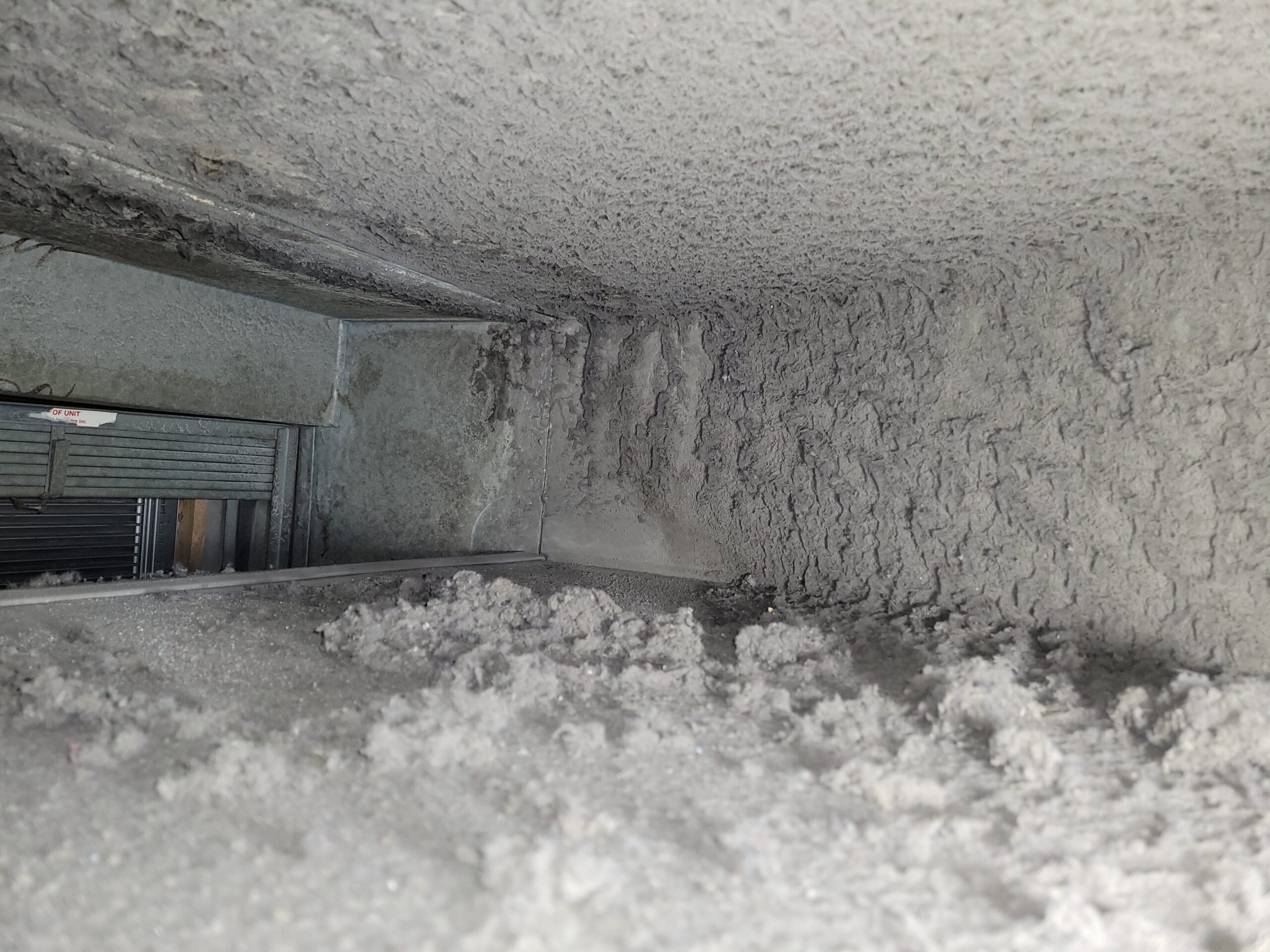
A quick note on scale. A single 150,000 square foot exhibit hall might move 500,000 to 1,000,000 cubic feet of air per minute across multiple air handling units. Every millimeter of fouling on a heat coil matters. Every ounce of extra pressure drop across a filter bank begs the fans for more horsepower. When the duct interior collects a felt coat of dust and fibers, fans have to work harder to maintain setpoints. I Visit this link have seen energy use swing 5 to 10 percent after a thorough cleaning and balancing in venues that were overdue, especially where prefilter changeouts were spotty.
The IAQ stakes, measured in more than complaints
Guests are not shy. Air quality complaints show up in post-event surveys with painfully clear language. Headache. Stale. Chemical smell. Too dusty. A venue might shrug off one or two reviews, but meeting planners read patterns. They have choices, and those choices drive millions of dollars. Better air also keeps staff healthier. If you run night crews breathing returns thick with drywall dust from a hall build, expect sick days. If performers or speakers struggle with throat irritation from recirculated fog, expect rebooking negotiations to become thorny.
The health picture is more than anecdotes. Fine particles ride the HVAC loop if your supply and return are not protected by good filtration and well-maintained ductwork. Venues often run MERV 13 filters or higher, sometimes with prefilter stages. That is a good start, but filters do not catch everything if bypass leaks around frames or if the filter racks are warped. Coils matted with dust become wet traps, and that is where microbial growth can set up shop. You do not need sensationalism here. You just need to acknowledge that grime plus moisture plus time equals odors and allergens.
Odor is the canary. If your halls carry a baseline smell of old popcorn, solvents, or last year’s rodeo, you have contamination on surfaces. Duct liners absorb and re-emit odor compounds. Cleaning that liner properly requires containment, correct agitation, and HEPA extraction. Spraying perfume into the supply is a poor substitute and a lawsuit waiting to happen when someone with sensitivities walks in.
Where the dirt actually hides
People think dust lives in straight duct runs because that is what you can imagine. In reality, most accumulation settles where air slows and eddies form. Turning vanes, branch takeoffs, upstream of coils, behind filter frames where bypass occurs, and in the low ceiling returns that double as cable caves. Return plenums over exhibit halls are magnets for fabric fibers. Above the ballroom, flexible duct drops to chandeliers catch confetti as if by contract. In kitchens and back-of-house corridors, grease aerosols try to sneak into the general duct if make-up air and hoods are not balanced well. Different system zones share smells, so if Hall A hosted the barbecue competition, Halls B and C file a complaint two days later.
Fire and smoke dampers deserve their own line. They accumulate lint on the blade edges, the kind of lint that seizes actuators and delays closure. I have found dampers stuck in half positions because of a fur coat of dust. That is a double penalty, because it increases pressure drop in normal operation and fails when you need it most. Documented damper inspections paired with cleaning are not just smart, they are usually mandatory on a cycle that ranges from one to six years depending on jurisdiction.
What competent commercial duct cleaning looks like in a venue
There is more to this than pushing a rotating brush and calling it a day. A well-run project starts with a walkthrough and a scope that reflects how the building actually breathes. We ask for air handler schedules, mechanical drawings if they exist, past filter orders to estimate change frequency, and access constraints like boom lift paths under rigging grids. Then we map out zones. You cannot shut down an entire convention center on a whim, but you can carve it into operational slices.
Containment is the first non-negotiable. Return grilles down at floor level must be sealed during cleaning upstream, otherwise you are vacuuming the duct and dusting the lobby. Negative air machines with HEPA filters pull debris out as we agitate with compressed air or rotary whips. Surface agitation tools vary, because internally lined duct needs gentle agitation and capture, not aggressive brushing that shreds the liner and sends fragments downstream. Bare metal tolerates more vigor, but too much speed on a rotary brush can score protective coatings.
Access is the next puzzle. We cut and later reseal access panels on long runs to maintain tool reach within guidelines. Panels get labeled so the next crew knows where to look. On rooftop units, we stage fall protection and weather plans. Negative air hoses snake across rooftops at night, and you do not want one going airborne in a gust. Inside, lifts operate under rigging schedules to stay out of the way of load-ins. The show must go on, but it does not need a surprise vacuum hose cameo in the keynote.
A recurring mistake in big venues is ignoring coils and drain pans. If the ductwork is the highway, coils are the toll gates. If someone sells you a duct cleaning without coil cleaning and pan remediation where needed, you paid for shiny on-ramps while the main plaza remains jammed. Coil cleaning, done with the right chemistry and thorough rinse, can drop airside pressure by measurable amounts. I have logged drops of 0.2 to 0.3 inches of water in badly fouled banks, which gives back fan capacity and lowers energy use. On systems flirting with their design limits during a heat wave, that margin is the difference between comfort and complaint lines.
Timing, noise, and the choreography of the overnight shift
Venues change personalities every six hours. Setup crews tolerate some noise, exhibitors do not, and keynotes demand silence. Night work is common, which changes supervision, access to tools, and safety protocols. The cleaning team needs a clear minute-by-minute with facility operations, security, and rigging, especially if lockouts, smoke control interfaces, or fire alarm bypasses are part of the job. We have paused mid-shift more than once to let a half dozen forklifts clear a path so a negative air unit could make a turn.
Then there is the load on the building. Some cleaning steps require running fans, others do not. Testing dampers means touching life safety systems, which often triggers BAS alarms and calls to the fire department if you do not coordinate. Once, in a large venue with a central command post, a damper test lit up the wall of red dots that show closed zones. The night chief nearly called an evacuation because the message discipline between teams was fuzzy. We fixed the script and never repeated that stunt.
A realistic view on energy and ROI
People like clean numbers. They ask, how much will I save with commercial duct cleaning. The answer is an honest it depends, with a side of credible ranges. If filters are changed on time, coils are kept clean, and duct leakage is low, the incremental energy savings from duct interior cleaning may be modest, say 2 to 5 percent on fan energy in systems that were not heavily fouled. If you take a venue that has deferred maintenance for years, where coils look felted and filters bypass at the racks, the savings can reach into the low double digits on fans, along with better heat transfer that helps chillers run closer to design. The ROI in those cases often comes from avoided complaints and expanded capacity rather than a clean line on an energy bill.
What you can quantify with confidence is airflow improvement across coils and lower static setpoints. I have watched operators raise supply airflow caps because their safety margin grew after cleaning. That means fewer hot spots during high-occupancy events and a cooler stage, which the person in the mascot costume will thank you for, even if they never know why.
Standards, compliance, and the paperwork trail that follows
Ask your vendor which standards they follow. NADCA’s ACR standard is the baseline in North America for commercial HVAC system cleanliness. It defines how to assess, clean, and verify, and it is written for real buildings, not laboratory benches. Fire and smoke damper inspection rules are separate, usually driven by NFPA and local code. In many jurisdictions, dampers must be functionally tested at specific intervals, with records kept on site. Do not let a contractor treat dampers as a by-the-way. They are a line item with real labor because access is fussy and actuators can be shy.
Documentation matters. Before and after photos are table stakes, but good teams add differential pressure readings across coils, particulate counts upstream and downstream during cleaning to confirm containment, and a punch list of access issues to address at the next shutdown. For venues with ISO 9001 style event playbooks, those artifacts slide neatly into the binder and save arguments later.
Filtration, fog fluids, and the filter math no one enjoys
Most large venues run multi-stage filtration, commonly a MERV 8 prefilter followed by a MERV 13 or higher final stage. Event schedules are brutal to prefilters. A woodworking expo or exhibit build with aggressive foam cutting will load prefilters fast, sometimes in days. You can either accept that and change them more often during certain event types or you can preemptively add extra prefilter banks during high-dust shows. I have seen fabric sock prefilters clipped over return grilles in 500 piece deployments, all removed at teardown with happy lungs to show for it.
Fog fluid residues from special effects are a sneaky problem. They do not always load filters dramatically, but they coat coil fins with a slightly sticky film that grabs whatever else floats by. If a venue hosts frequent shows with haze, schedule coil cleaning more often, not just duct cleaning. It is cheaper than chasing mysterious odors and poor dehumidification later.
Historic wings and other edge cases
Some convention centers wrap around historic theaters or municipal halls. That creates a puzzle box of old duct lined with materials from past decades. You must sample suspect materials for asbestos or lead paint before cutting access panels. Negative air containment becomes non-negotiable, and you may need abatement partners. Old plaster returns in historic ceilings shed dust even when you look at them. Gentle techniques and conservative expectations are your friends.
Animal visitors create another category. Pigeons love roof intakes. Raccoons or opossums occasionally discover service corridors that lead to return plenums. Droppings are not just a cleaning mess, they are a health hazard. Disinfection must follow local rules and be documented. Screen intakes properly after the cleanup, otherwise you are on an annual raccoon reunion plan.
How scope goes sideways and how to prevent it
Scopes fail in two predictable ways. First, someone writes a generic contract that says clean ducts in Exhibit Hall A, and leaves out coils, return plenums, and VAV boxes. The cleaning crew is then forced to choose between scope creep or half measures. Second, no one coordinates with operations on event timing, fire alarm interfaces, or lift access, so the crew spends half the night waiting.
A better pattern is to map the system into components with clear yes or no: air handlers and all internal surfaces including coil banks, drain pans, and fan housings, main supply and return trunks, branch ducts down to the last takeoff at ceiling level, VAV and fan-powered boxes including reheat coils where present, diffusers and grilles, fire and smoke dampers with functional tests. If your budget cannot carry all that in one go, break it into phases that still make sense hydraulically, not random sections.
What a good night looks like, step by step
When everything clicks, you can feel it. The crew badges in at 8 p.m., radios go live, and containment wraps the first return wall in ten minutes. HEPA negative air runs pull a steady hiss. Tools move in choreography, not chaos. The BAS screen shows zones stepped down, and the damper test plan unfolds without alarms sending security into cardio. Lifts glide, not lurch. At 5 a.m., grilles snap back into place and floors are vacuumed where dust could have settled. The day team walks into air that smells like nothing at all, which is the goal.
Here is a concise pre-project checklist for facility managers that keeps those nights boring in the right way:
- Confirm scope by system component, not just by area names, and include coils, dampers, and VAVs if they are in play. Block lift routes and staging zones on the floor plan, and brief rigging and security on timing and noise. Arrange fire alarm and smoke control coordination with a named contact, including any needed bypass windows. Stage filters, coil cleaning chemicals, and drain pan parts so teams do not improvise with whatever the night shift finds. Define verification artifacts, photos plus pressures, and where the records will live.
And when the night arrives, a slim coordination sequence helps:
- Pre-brief on radio at start of shift, confirm zones, alarms, and emergency stops. Establish containment and negative air, then open access and start agitation in the correct upstream to downstream order. Inspect and test dampers while ducts are open, document positions, and cycle actuators under supervision. Close, seal, and label access points, reinstall grilles, then walk the floor with housekeeping to catch stray dust. Debrief with operations, capture issues for the next window, and hand over a log before morning crews arrive.
Safety and the human side
Night work tempts shortcuts. Remind crews that you cannot outrun gravity in a boom lift and you cannot argue with a fire alarm panel at 2 a.m. PPE rules are not a suggestion, and that includes real respiratory protection when you open returns that look like haylofts. Facilities with unions or strict vendor policies require commendable patience. Badge access can eat twenty minutes for one locked door, which multiplies over a shift. Build that into the plan. Bring spare batteries, spare blades, and more painter’s tape than seems rational.
Insurance documents sound dull, until a forklift bumps a negative air machine into a sponsor wall wrap at 3 a.m. Certificates of insurance with correct endorsements are the adult version of duct tape. So are incident forms ready to fill. It is a lot easier to explain a small scuff with an immediate photo and a note than a heated call two weeks later with foggy memories.
Money, quotes, and avoiding the false economy
You will see a spread in quotes. The low bidder who claims to clean 20 air handlers, 8 main trunks, and 300,000 square feet of duct in two nights is either holding a magic wand or planning to vacuum the first ten feet of each run and hope you do not look. Time is the currency of quality in duct cleaning. If someone budgets one hour per air handler, that is not coil cleaning, that is coil glancing.
Ask for crew sizes, shift lengths, and the number of access points they expect to cut and seal. If they tell you none, they are either lucky or not cleaning long runs properly. Ask how they will handle internally lined duct and what verification looks like. If the answer is only photos, ask for measurements, even simple ones like static pressure before and after at the air handler.
Also ask about cleanup. It is astonishing how many vendors treat housekeeping as someone else’s problem. If you agitate dust in a return, some will find a way into occupied spaces no matter how good your containment is. Vacuuming floors where you worked should be part of the scope, not a favor.
A venue story worth telling
Years ago, we took on a mid-size convention center that had a chronic odor in its main ballroom, something between a locker room and a spice shop. Filters were on a reasonable schedule, yet the smell returned every Monday after big events. We traced it to a stretch of internally lined return duct above a service corridor where food carts staged between breaks. The liner had absorbed a decade of curry, coffee, and aerosolized cleaner. The fix was not glamorous. We set up containment, gently agitated and HEPA vacuumed the liner, treated it with an EPA-registered sanitizer appropriate for porous surfaces, and then sealed the surface with a duct liner coating approved for IAQ. We also moved the cart staging 30 feet and upgraded the door sweeps. The smell vanished, and so did a line in their survey reports. The operations chief sent a one-line note the next week: it smells like nothing, and I have never been so happy to write a boring sentence.
Bringing it back to what venues need most
Commercial duct cleaning is not a silver bullet, but in a venue it is a remarkably good screwdriver. It tightens the system. It reduces the chance of embarrassment at showtime. It gives capacity back to operators when the calendar heats up. Most important, it produces the kind of air that people forget to notice, exactly the way you want it. When planners call you a safe pair of hands, it is often because you do the invisible work at odd hours and leave no trace but comfort.
Treat the ductwork like part of the show. Book it, plan it, rehearse it, and document it. The applause comes in the form of quiet lungs, lower static pressures, and a five-word compliment that means everything to a facility pro: the air felt just right.